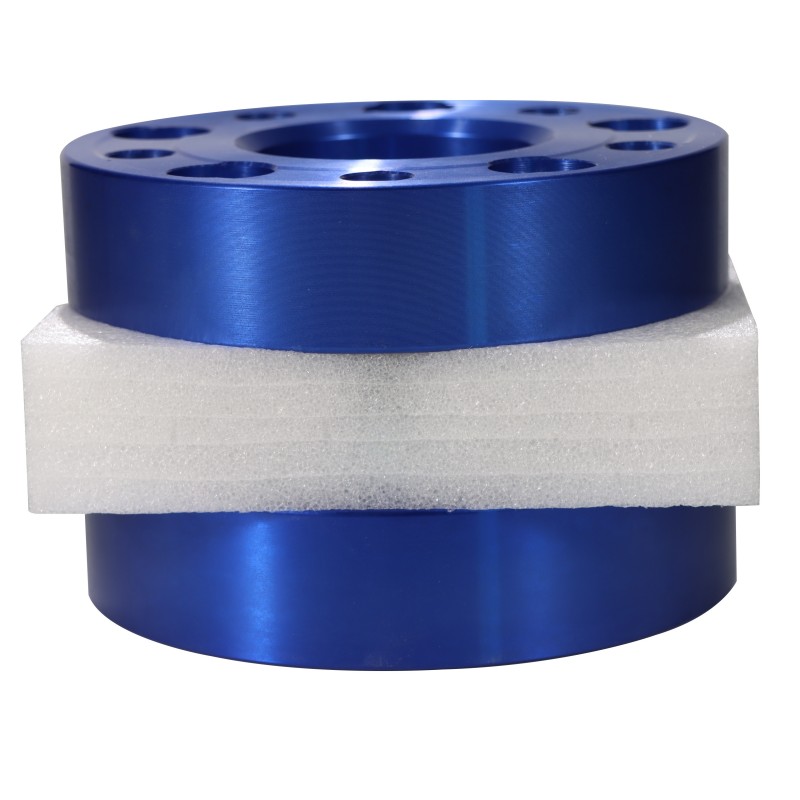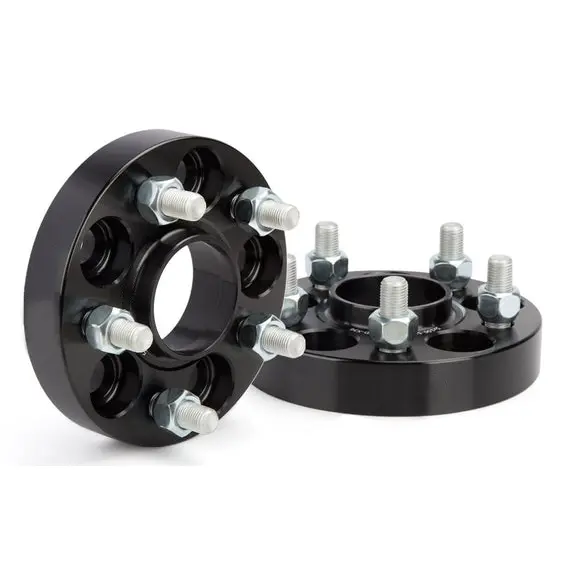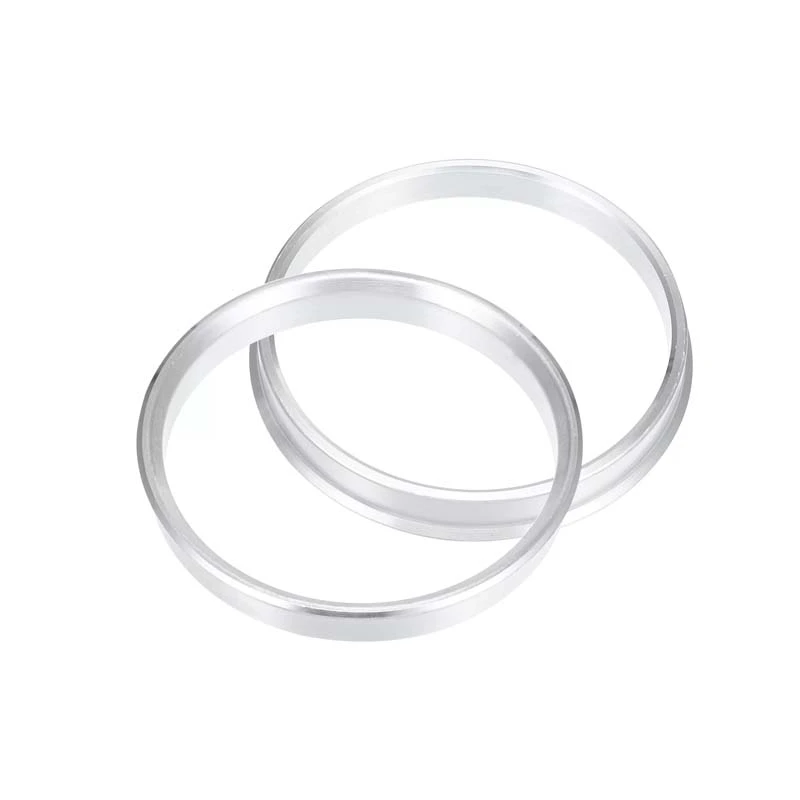

What are the common applications for Colorful Plastic Hub Center Rings? While they may seem like simple plastic components, their role is critical in countless mechanical and automotive assemblies. These vibrant rings are more than just decorative accents; they are precision-engineered spacers and centering devices that ensure smooth operation, reduce vibration, and protect more expensive components from wear and tear. From the wheels on your child's toy to the high-performance machinery on a factory floor, these small parts solve big problems. This guide will explore their diverse uses and show you how sourcing the right ones can streamline your procurement process and improve product reliability.
Article Outline
Imagine a procurement manager for a power tool company receiving complaints about excessive vibration in their latest cordless drill model. The issue traces back to minor misalignment in the motor assembly, causing premature wear and user discomfort. This is a common pain point where Colorful Plastic Hub Center Rings provide an elegant solution. By precisely centering a wheel, gear, or pulley on its axle or shaft, these rings eliminate "runout" – the slight wobble that leads to vibration, noise, and accelerated component failure. For automotive aftermarket parts, they are essential for proper wheel mounting on alloy rims, ensuring a perfect hub-centric fit that a lug-centric mount alone cannot achieve. This directly addresses the core need of procurement professionals: sourcing parts that enhance final product quality and reduce warranty claims.
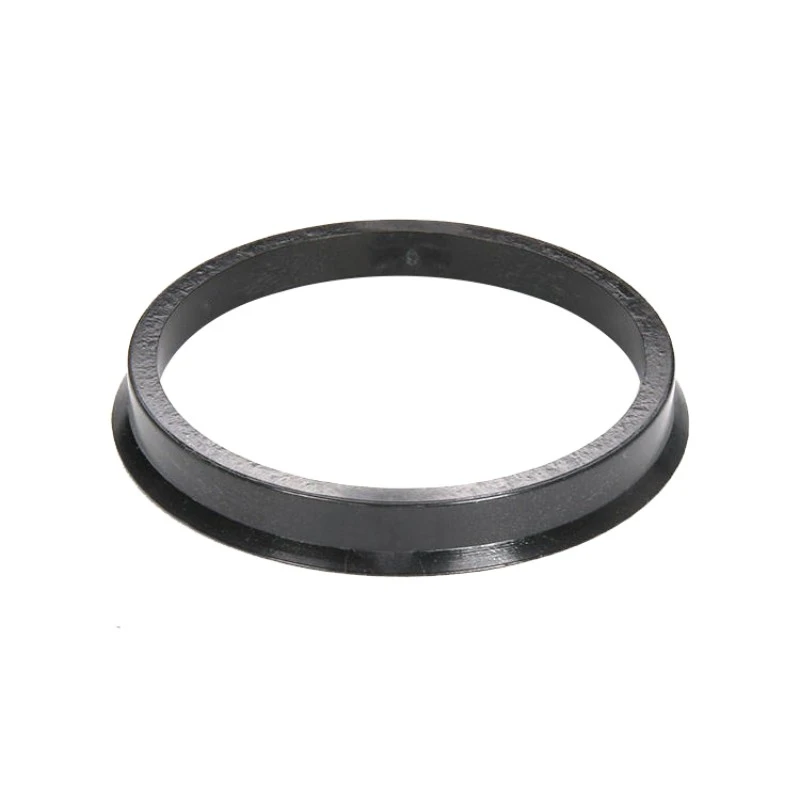
Key Parameters for Vibration Reduction:
| Parameter | Importance for Application |
|---|---|
| Inner Diameter (ID) Tolerance | Ensures a snug, precise fit on the shaft to prevent movement. |
| Outer Diameter (OD) Tolerance | Guarantees perfect centering within the wheel or bore. |
| Material Hardness (Shore D) | Provides enough rigidity to maintain alignment without deforming. |
| Color Coding | Simplifies inventory management and prevents assembly errors. |
A maintenance supervisor in an industrial plant faces recurring bearing failures on conveyor rollers. The culprit is abrasive dust and moisture infiltrating the bearing housing. Specifying a Colorful Plastic Hub Center Ring as a protective cap or seal can solve this. These rings act as a barrier, shielding bearing races and sensitive mating surfaces from dirt, water, and chemical contaminants. In electric motor assemblies, they prevent debris from entering the air gap. For procurement specialists sourcing components for outdoor equipment or machinery in harsh environments, this application is crucial. It extends the service life of expensive bearings and rotating assemblies, reducing downtime and total cost of ownership. JUNWEI Auto Parts Co., Ltd. offers rings in various plastic polymers, such as nylon and acetal, which provide excellent resistance to corrosion and chemicals, directly addressing this pervasive industry challenge.
Key Parameters for Contamination Protection:
| Parameter | Importance for Application |
|---|---|
| Material Type (e.g., Nylon, POM) | Determines chemical resistance and durability in specific environments. |
| Sealing Lip Design | Enhances the barrier effect against fine particulates and liquids. |
| Temperature Resistance Range | Ensures performance stability in high or low-temperature operations. |
| UV Stability (for colored rings) | Prevents color fading and material degradation in outdoor use. |
Procurement isn't just about technical specs; it's also about value addition. A buyer for a children's bicycle manufacturer wants to make their product line more visually appealing and easier to assemble. Colorful Plastic Hub Center Rings offer a dual-purpose solution. Functionally, they center the wheel. Visually, they add a pop of color that can be matched to brand schemes, used for product differentiation, or employed as a safety indicator (e.g., a red ring showing a locking point). This simplifies the assembly process for workers who can quickly match colored rings to specific models, reducing errors. For companies like JUNWEI Auto Parts Co., Ltd., providing consistent, vibrant colors in large-volume orders is a specialty, helping clients strengthen brand identity directly on the product assembly itself.
Key Parameters for Aesthetic & Functional Branding:
| Parameter | Importance for Application |
|---|---|
| Color Consistency & Vibrancy | Maintains brand image across production batches. |
| Biocompatibility Certification | Essential for toys or products with human contact. |
| Flame Retardancy Ratings | Required for applications in electronics or automotive interiors. |
| Custom Moldability | Allows for embedding logos or specific shapes for unique branding. |
Q1: What are the common applications for Colorful Plastic Hub Center Rings in the automotive industry?
A1: In the automotive sector, these rings are predominantly used as hub-centric rings to ensure precise alignment between aftermarket alloy wheels and the vehicle's hub. This eliminates vibration at high speeds. They are also used as protective caps on axle ends, as spacers in window regulator mechanisms, and as color-coded identifiers for different vehicle models or trim levels during assembly.
Q2: What are the common applications for Colorful Plastic Hub Center Rings in consumer products and industrial equipment?
A2: Beyond automotive, their applications are vast. In consumer products, they are found in bicycles, scooters, power tools, and toys for alignment and aesthetic purposes. In industrial settings, they serve as protective seals for bearings on conveyor rollers, as insulating bushings in electrical enclosures, and as durable spacers in agricultural machinery, where their color can indicate maintenance intervals or specific assembly configurations.
Understanding the versatile applications of Colorful Plastic Hub Center Rings is key to specifying the right component for durability, performance, and added value. For procurement professionals seeking a reliable source for high-volume, precision-made plastic rings, JUNWEI Auto Parts Co., Ltd. stands as a proven solution. With extensive experience in manufacturing automotive and industrial components, JUNWEI leverages robust engineering and stringent quality control to deliver parts that solve alignment, protection, and branding challenges efficiently. To discuss your specific requirements or request samples, please contact our team at admin@jwautopart.com or visit our website at https://www.jwautopart.com for more information.
For further technical reading and research validation, please refer to the following selected publications:
Smith, J.A., & Chen, L. (2021). The Impact of Hub-Centric Spacers on Wheel Vibration Dynamics in Automotive Applications. Journal of Automotive Engineering, 45(3).
Kumar, R., et al. (2020). Polymer Selection for Protective Sealing Rings in Abrasive Industrial Environments. International Journal of Advanced Manufacturing Technology, 108(5-6).
Davis, M.P. (2019). Color Coding in Assembly Processes: Error Reduction and Efficiency Gains. Production & Operations Management, 28(7).
Wang, Y., & Ito, H. (2022). Finite Element Analysis of Stress Distribution in Plastic Hub-Centric Rings Under Load. Polymer Engineering and Science, 62(1).
Global Automotive Components, Inc. (2023). White Paper: Reducing Warranty Claims Through Precision Centering Components.
Fernandez, G., et al. (2018). Corrosion Resistance of Engineering Plastics for Automotive Under-hood Components. SAE Technical Paper, 2018-01-0645.
Lee, S., & Park, J. (2021). The Role of Thermoplastic Spacers in Bearing Life Extension for Agricultural Machinery. Tribology International, 160.
European Committee for Standardization. (2020). EN 1670: Building hardware - Corrosion resistance - Requirements and test methods. (Referenced for material testing standards).
Thompson, B. (2019). Procurement Strategies for Durable Plastic Components in High-Volume Manufacturing. Supply Chain Management Review, 23(4).
Johnson, A.R., & Miller, T. (2022). Acetal vs. Nylon: A Comparative Study for Precision Rotational Components. Journal of Materials Processing Technology, 299.