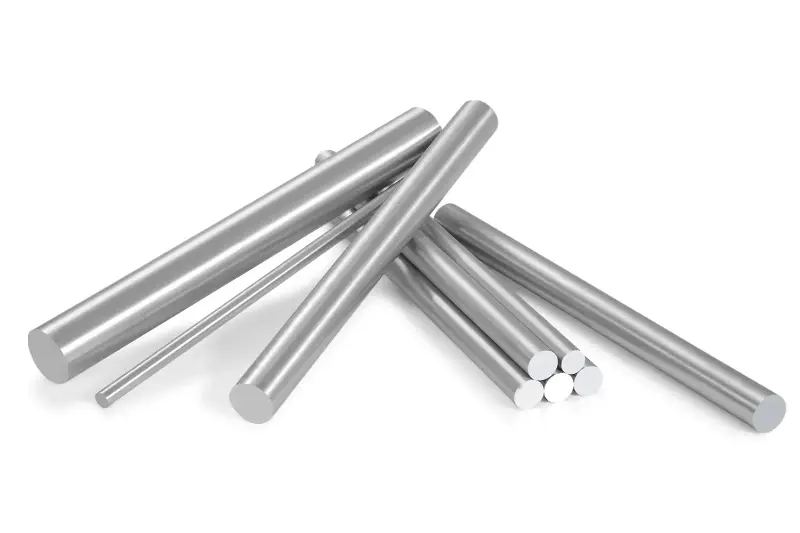
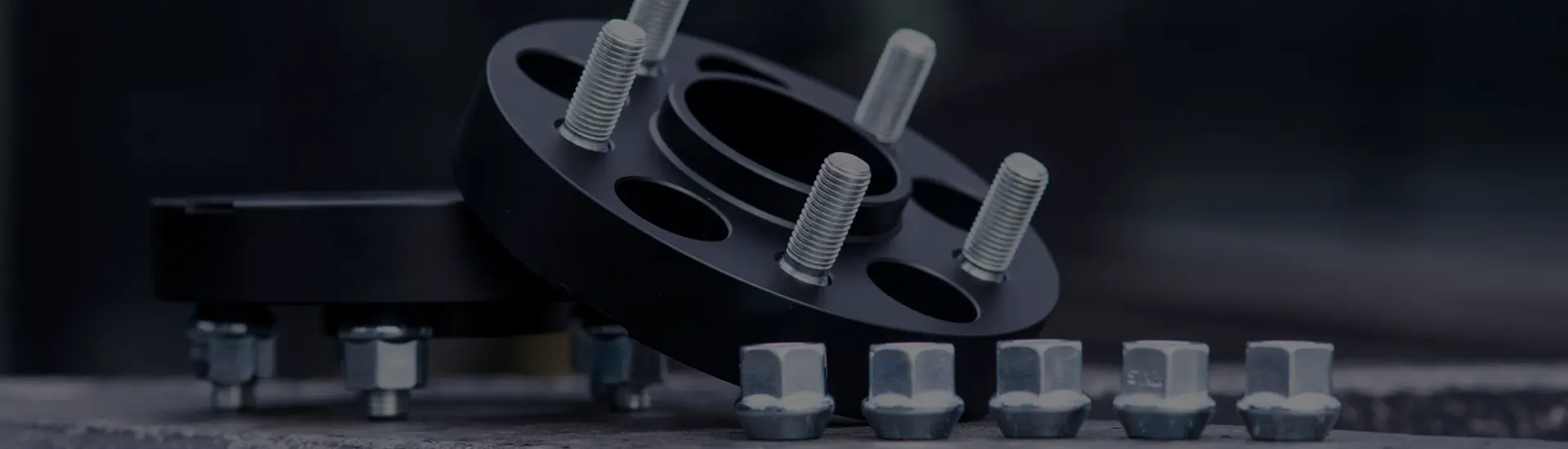

Aluminum alloys are primarily classified based on their composition, processing capabilities, and heat treatment characteristics. Pure aluminum (1xxx series) is often used in specialized fields due to its conductivity and corrosion resistance; the 2xxx series, with added copper, offers increased strength and is used in aerospace and machinery; the 3xxx series, containing manganese, has good plasticity and corrosion resistance, suitable for containers and pipes; the 5xxx series, with high magnesium content, has strong fatigue resistance and is used for structural components; the 6xxx series balances strength and processing performance and is widely used in transportation; and the 7xxx series, containing zinc and magnesium, has hardness approaching that of steel and is used in high-load aerospace components. Non-heat-treatable aluminum alloys are strengthened through cold working, while heat-treatable types are strengthened through precipitation hardening via solution treatment and aging. Through this article, we can understand why we choose 6061 or 7075 as the material for wheel spacer adapters.
| Model No. | Properties of Aluminum | Application scenarios |
|
#1050 #1060 #1100 etc. |
Containing over 99% aluminum, it possesses excellent thermal and electrical conductivity, and corrosion resistance. However, it has low strength and cannot be strengthened by heat treatment. | Suitable for applications requiring corrosion resistance and low strength, such as electrical appliances and chemical storage tanks. |
|
#2024 #2A16 #2A02 etc. |
Containing 3-5% copper, it has high hardness and good heat resistance, but poor corrosion resistance and excellent processing performance. | It is used in high-strength, high-heat applications such as aerospace and defense industries; for civilian use, corrosion protection treatment is required. |
|
#3003 #3A21 etc. |
Containing 1%-1.5% manganese, it exhibits excellent corrosion resistance, good plasticity and weldability, and its strength can be enhanced through cold working. | Automotive fuel tank lines, container tanks, mechanical parts, etc., in humid or corrosive environments. |
|
#4A01 #4000 etc. |
Containing 4.5%-6% silicon, it has a low melting point, is easy to weld, and exhibits good corrosion resistance, heat resistance, and wear resistance. Some varieties can be strengthened by heat treatment. | Building materials (such as exterior cladding for floor slabs), welding materials, mechanical parts, etc. |
|
#5052 #5005 #5083 #5A05 etc. |
Containing 3%-5% magnesium, it has a low density of approximately 2.7 g/cm³, good corrosion resistance, weldability, and fatigue performance. It cannot be strengthened by heat treatment, but its strength can be improved through cold working. | Applications requiring lightweight materials, such as shipbuilding (e.g., hulls, decks), automotive fuel tanks/gas cylinders, and packaging materials. |
|
#6061 #6063 #6005A etc. |
Contains magnesium and silicon elements, possesses medium strength, good corrosion resistance, is easily extruded and formed, and is easily oxidized and colored. | Applications include car roof racks, heat sinks, architectural profiles, door and window materials, and other scenarios requiring lightweight materials. |
|
#7075 #7005 etc. |
Containing zinc, copper, and magnesium, it has high hardness, approaching that of steel, and good wear resistance. It can be heat-treated for strengthening, but its corrosion resistance is poor, requiring anti-corrosion treatment during use. | Aerospace materials (aircraft load-bearing components, landing gear), automotive control arms, and other applications requiring high strength and high wear resistance. |