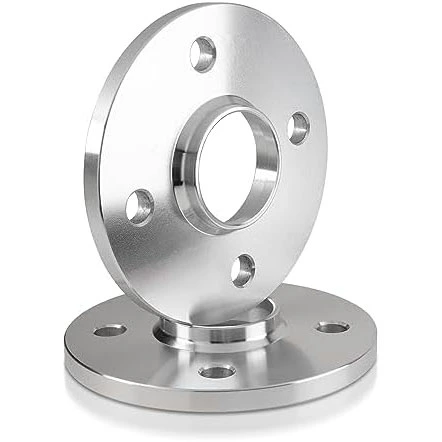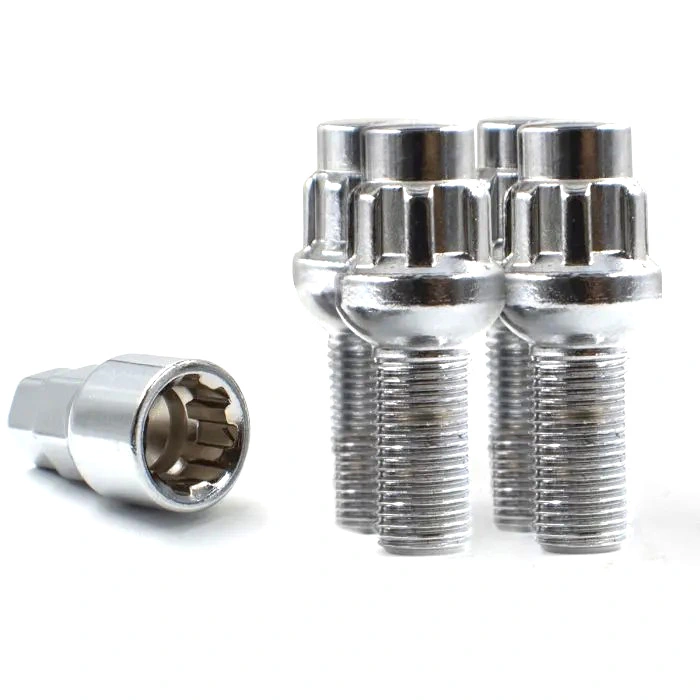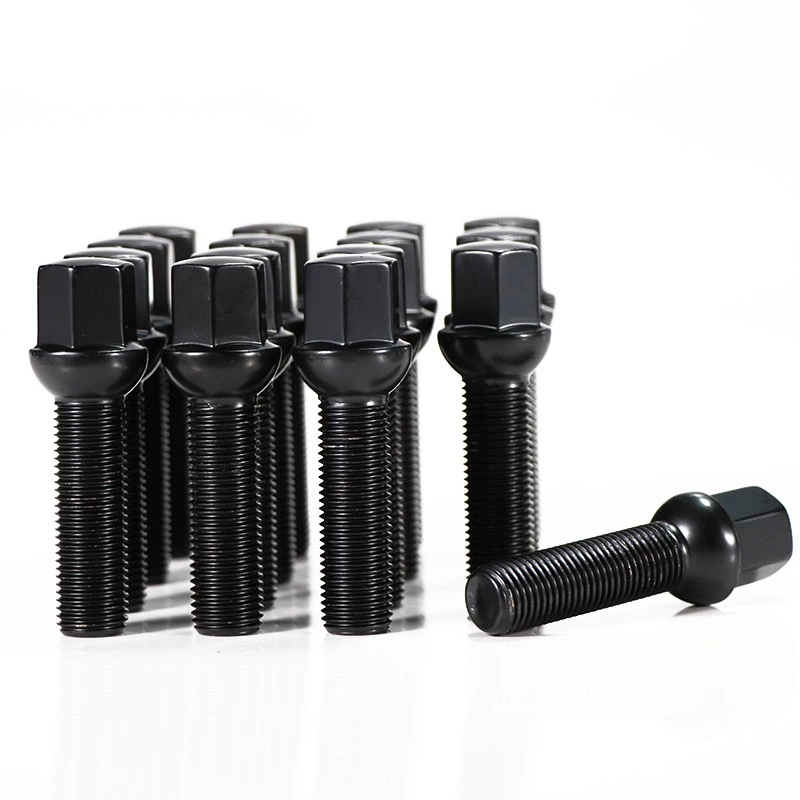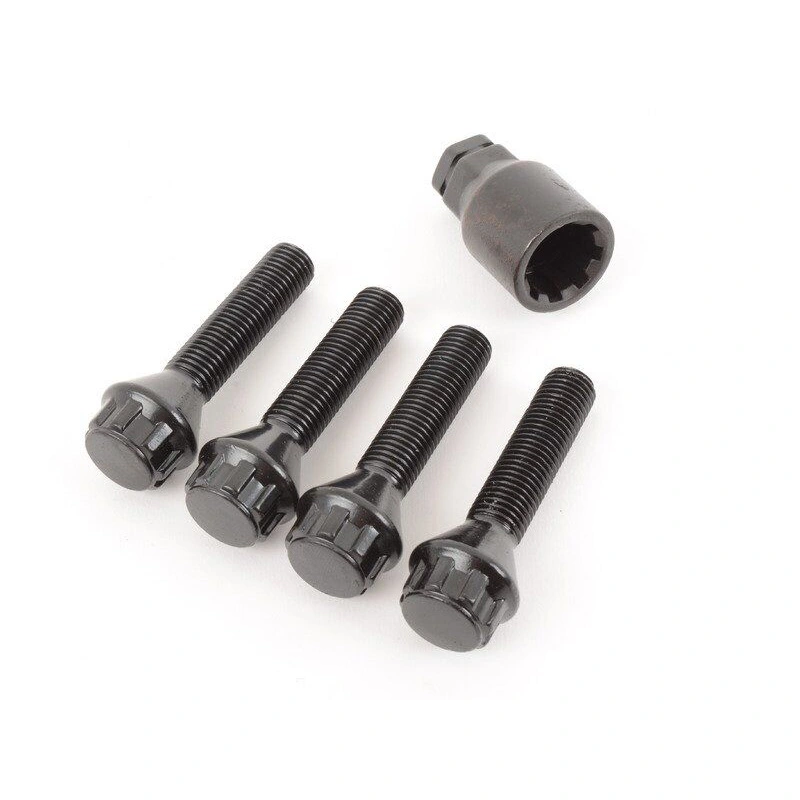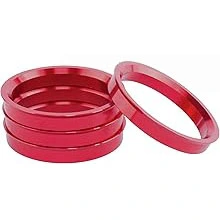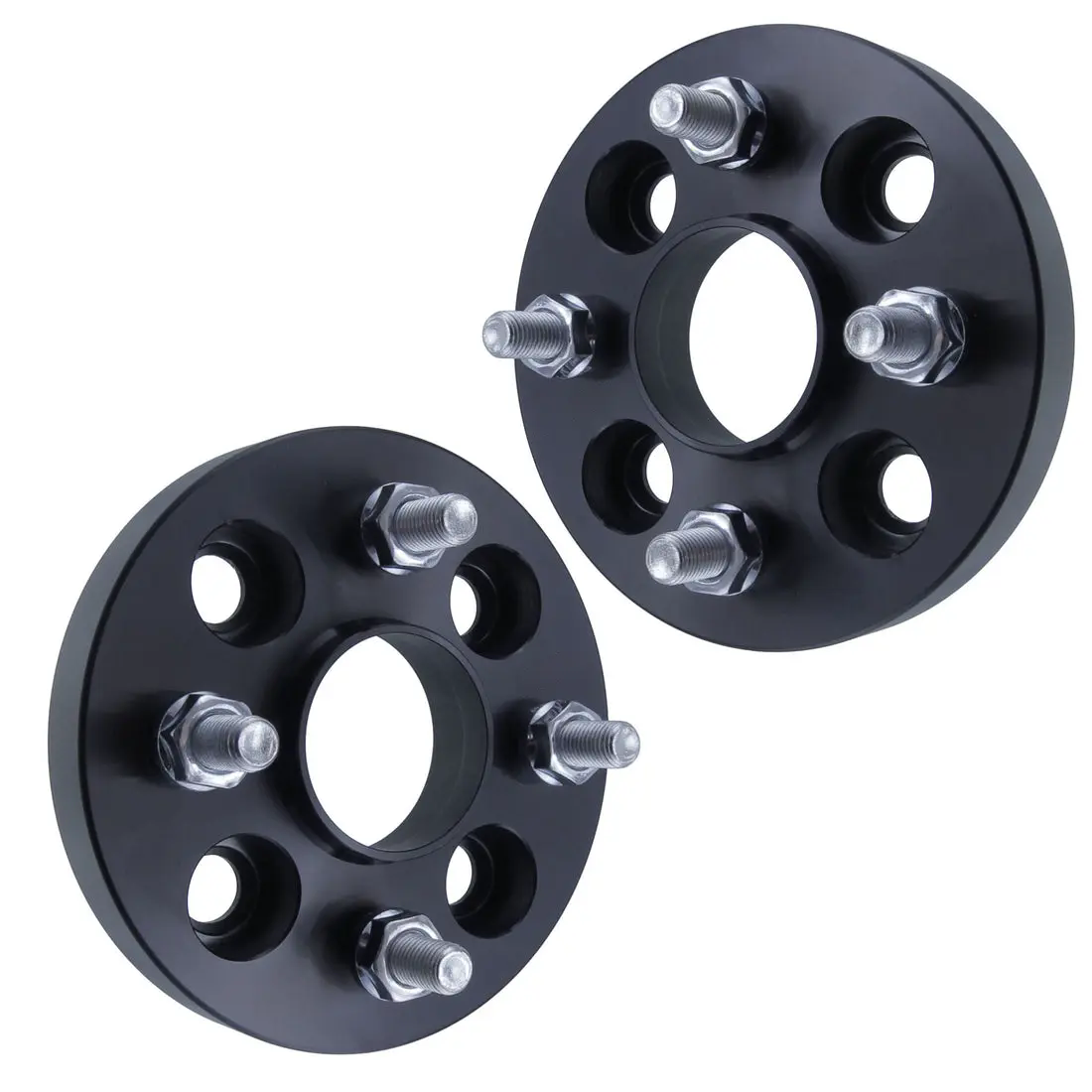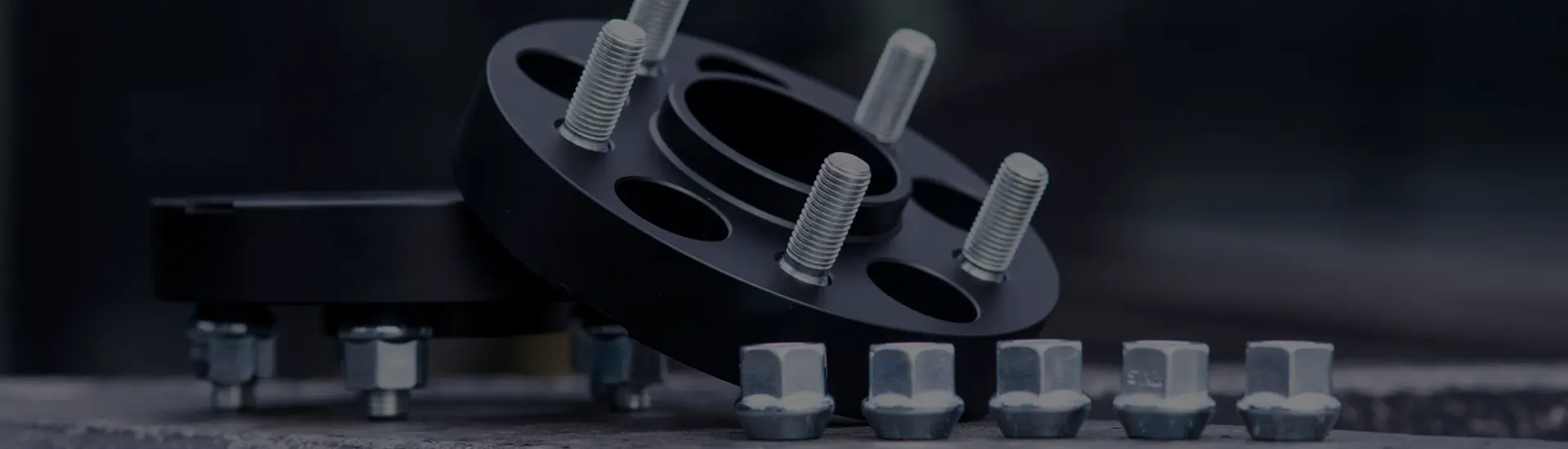

Improperly torqued Wheel Lug Bolts. Whether it’s a new set of alloys or a routine tire rotation, incorrect torque can lead to dangerous wheel vibration, stud damage, or even a wheel separation. That’s why getting this right isn’t just a technical step; it’s a critical safety ritual. At Junwei, we’ve dedicated ourselves to not only providing superior fastening components but also empowering our customers with the knowledge to install them correctly and securely.
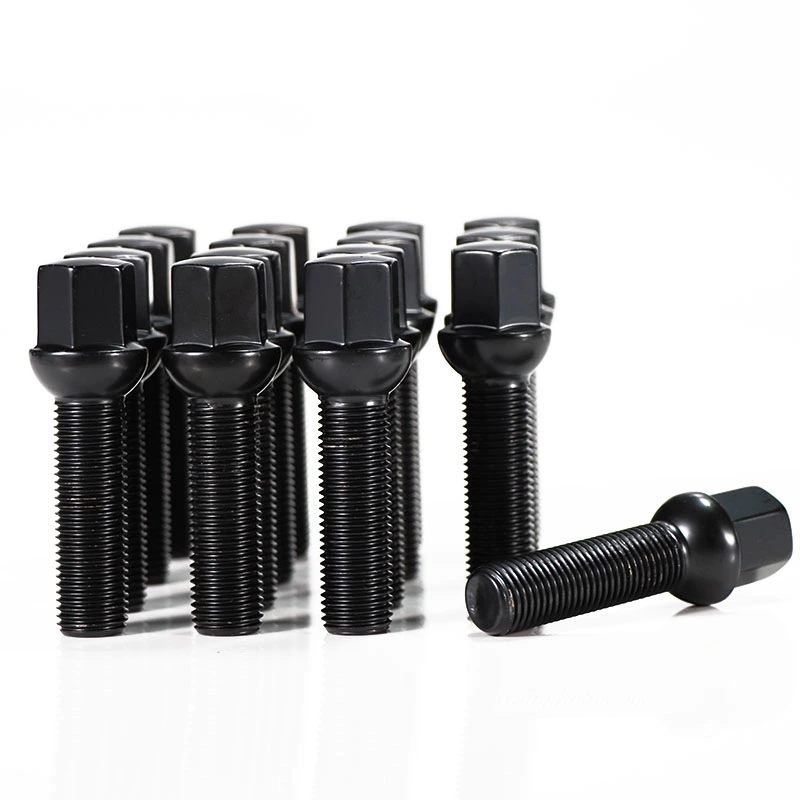
Why Do Torque Specifications for Wheel Lug Bolts Matter So Much
Think of your Wheel Lug Bolts as the guardians of your wheel assembly. Under-torquing can allow the wheel to loosen under dynamic loads, while over-torquing can stretch the studs, leading to catastrophic failure. The correct specification ensures the clamping force is perfectly balanced, keeping the wheel securely mounted and the connection intact. It’s the sweet spot for safety, performance, and longevity of your components.
How Do I Find the Correct Torque Specs for My Vehicle
The definitive source is always your vehicle’s owner’s manual. However, as a general guideline, most passenger vehicles have specifications within a common range. Here’s a quick reference list based on common thread sizes:
12mm x 1.25 threads: Typically 70-80 ft-lbs (95-108 Nm)
14mm x 1.5 threads: Typically 85-100 ft-lbs (115-135 Nm)
14mm x 2.0 threads: Typically 80-90 ft-lbs (108-122 Nm)
1/2"-20 threads: Typically 75-85 ft-lbs (102-115 Nm)
For a more detailed overview, consult this table. Remember, these are general values—always verify with your manual or manufacturer.
| Vehicle Type / Bolt Thread Size | Typical Torque Range (ft-lbs) | Typical Torque Range (Nm) |
|---|---|---|
| Compact Cars (12mm x 1.25) | 70 - 80 | 95 - 108 |
| Sedans & SUVs (14mm x 1.5) | 85 - 100 | 115 - 135 |
| Light Trucks (14mm x 2.0) | 80 - 90 | 108 - 122 |
| Some Domestic Trucks (1/2"-20) | 75 - 85 | 102 - 115 |
What Tools and Process Do I Need for a Safe Installation
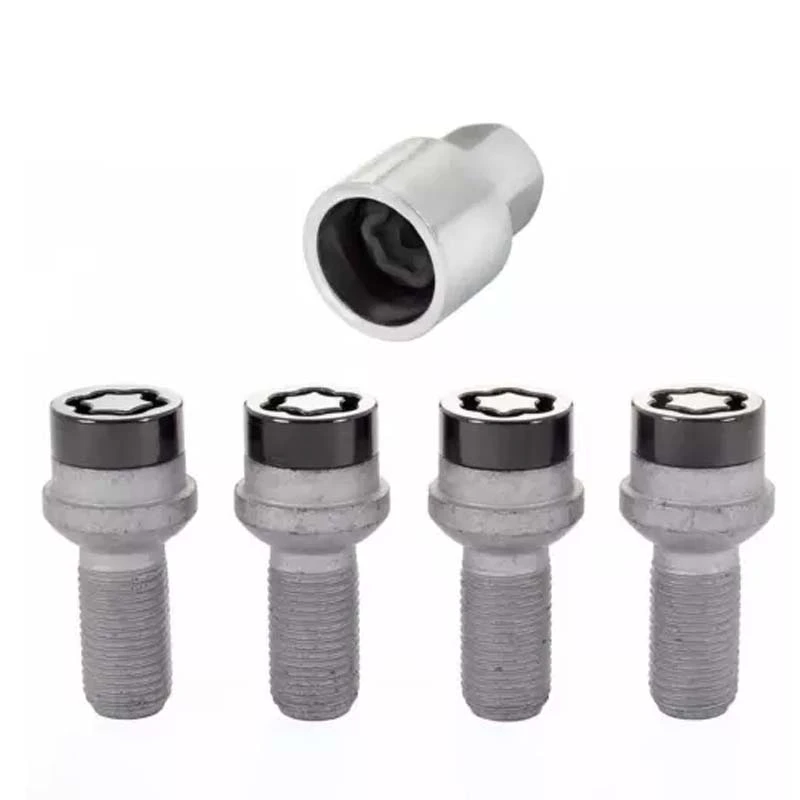
First, use a calibrated torque wrench—it’s non-negotiable. Always clean the threads on both the Wheel Lug Bolts and the hub before installation. Hand-tighten all bolts first, then follow a star or crisscross pattern to tighten in stages (e.g., 50% torque, then 100%). This ensures even clamping and prevents warping. Re-check the torque after 50-100 miles of driving. This is where using high-quality components pays off. At Junwei, our Wheel Lug Bolts are precision-engineered from graded materials to provide consistent clamping performance and reliable torque retention, giving you one less thing to worry about.
Can the Right Wheel Lug Bolts Themselves Make a Difference
Absolutely. Not all Wheel Lug Bolts are created equal. Inferior materials can yield under stress, and poor machining can lead to inaccurate torque readings. Investing in reputable, high-strength fasteners is a cornerstone of safety. This belief drives the engineering behind every Junwei fastener we produce. Our commitment is to deliver products that meet stringent specifications, ensuring that when you torque to the correct spec, the bolt performs exactly as intended, every single time.
Your safety on the road is paramount, and it’s built on these fundamental practices. Don’t compromise on the components that hold it all together. If you’re unsure about your specific requirements or need high-integrity fasteners you can trust, we’re here to help. Contact us today with your vehicle or application details, and let our team at Junwei provide you with the right solutions and support for a secure, worry-free ride.