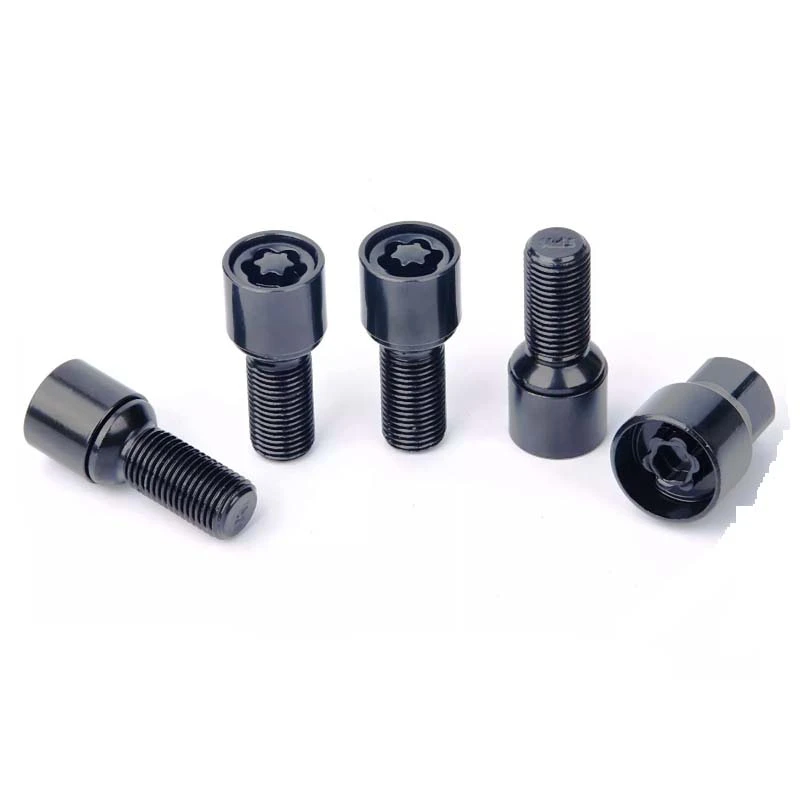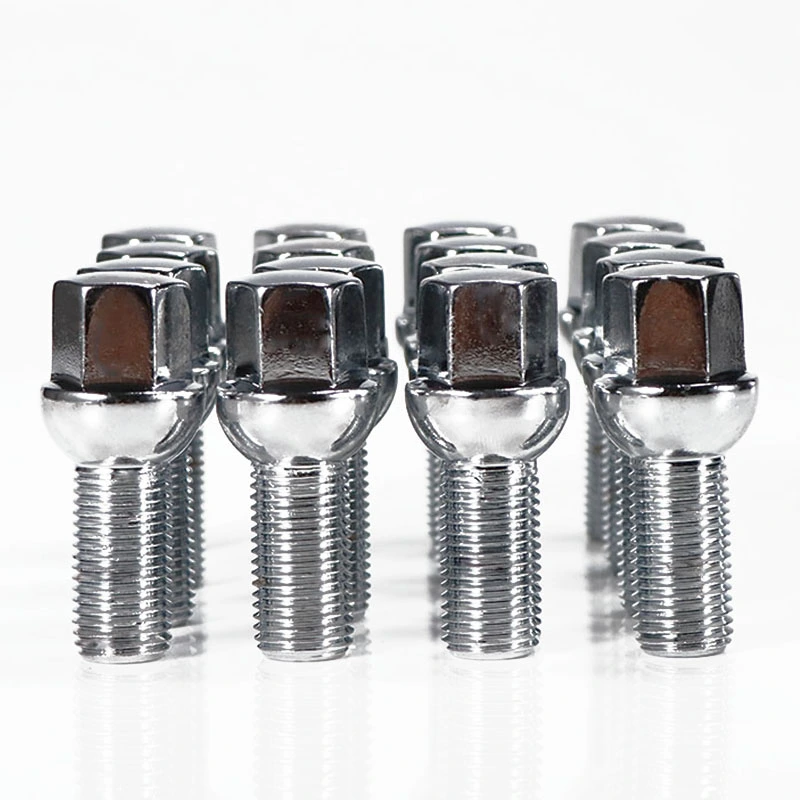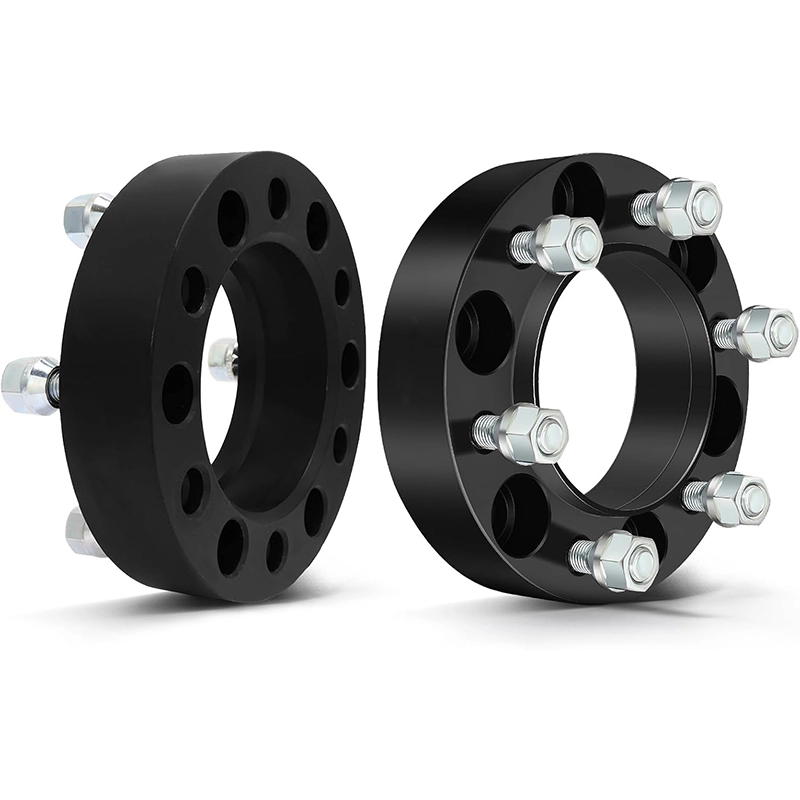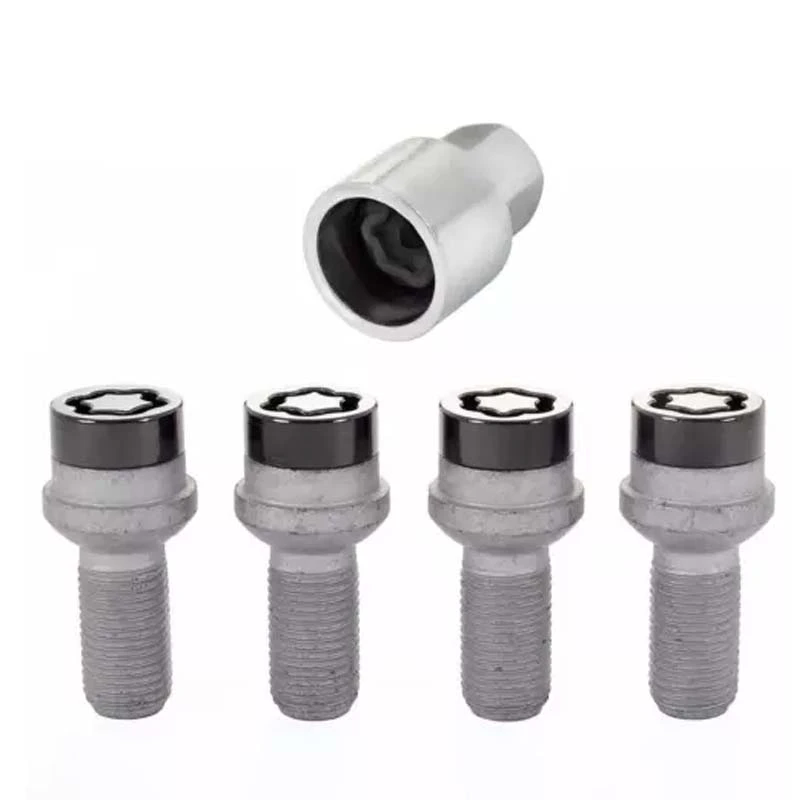
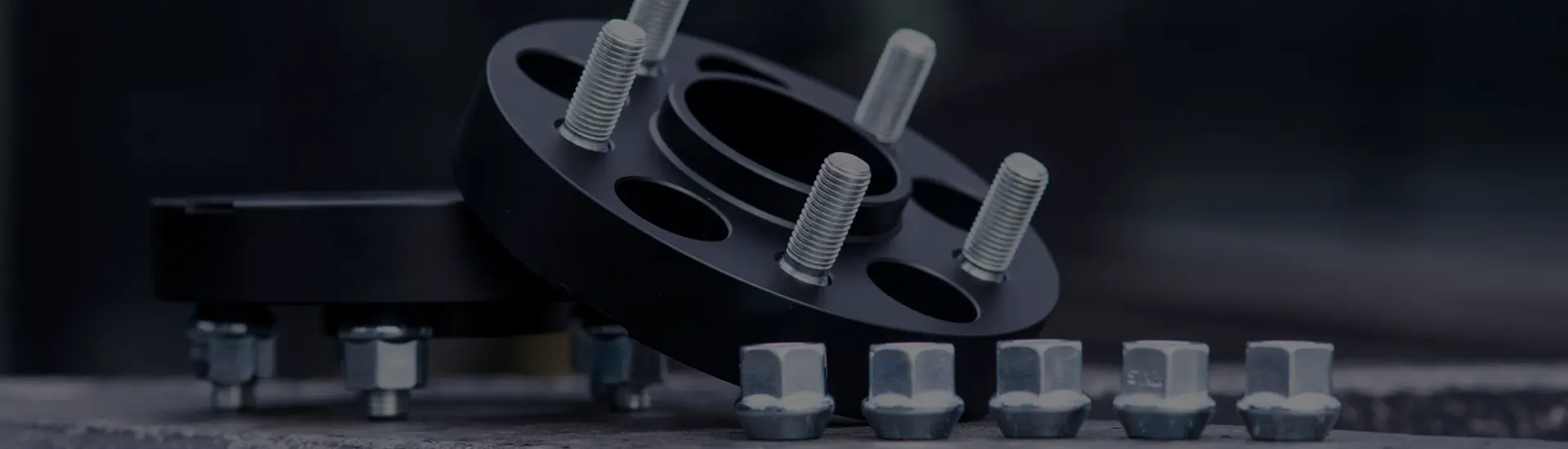

Can I use M12x1.5 Spline Lug Nuts on any wheel? This is a critical question for anyone involved in vehicle maintenance, fleet management, or automotive parts procurement. The wrong lug nuts can lead to serious safety issues, from wheel vibrations to catastrophic detachment. The M12x1.5 spline lug nut is a popular, secure design, but its universal compatibility is a common misconception. This guide will clear up the confusion, provide actionable advice for buyers, and introduce you to a reliable source for high-quality automotive fasteners. Understanding the specific requirements for your wheels is not just about fitment; it's about ensuring safety and performance on every journey.
Article Outline:
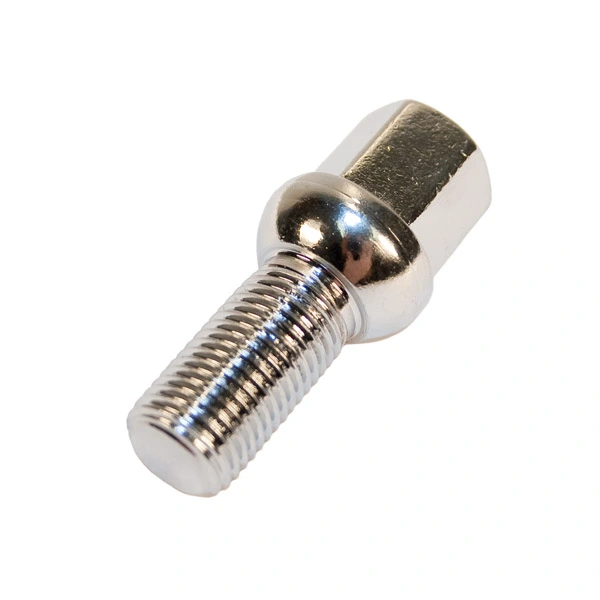
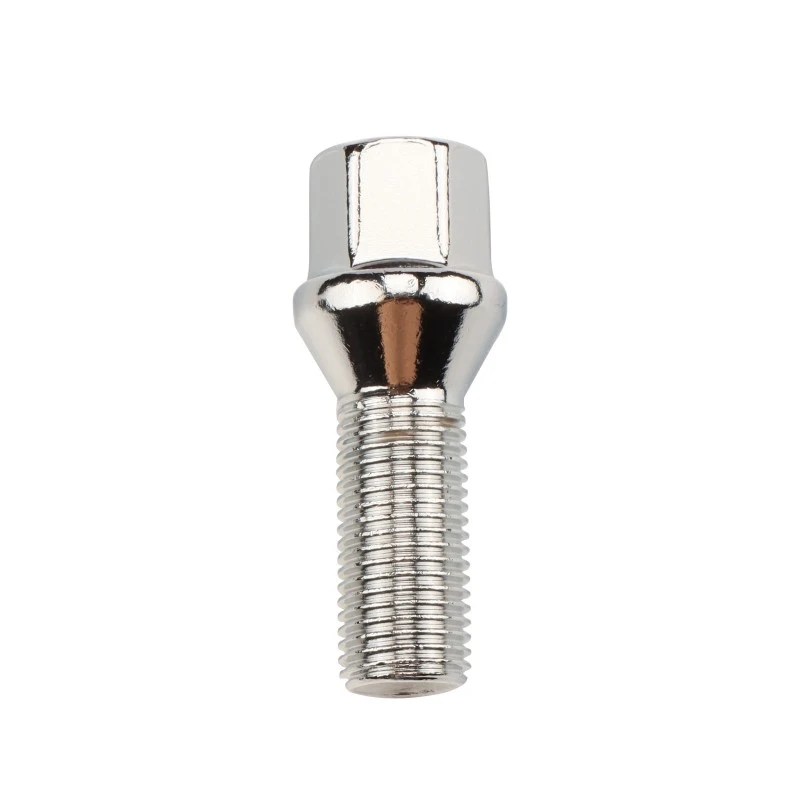
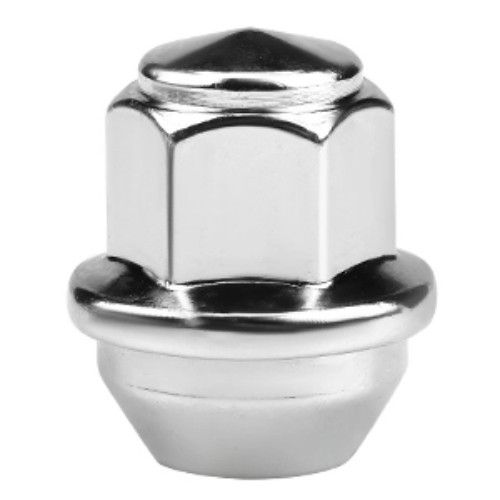
Imagine this: you've sourced what seems to be the correct M12x1.5 spline lug nuts for a fleet of vehicles. The thread pitch matches, so you assume they're good to go. After installation, drivers report persistent steering wheel wobble at high speeds. The problem isn't the threads; it's the lug seat. Wheels have different seat types—conical (acorn), ball seat, flat seat, or mag seat. Using a conical seat lug nut on a wheel designed for a ball seat creates improper contact, leading to uneven clamping force and dangerous vibrations. This is a frequent and costly error for procurement teams.
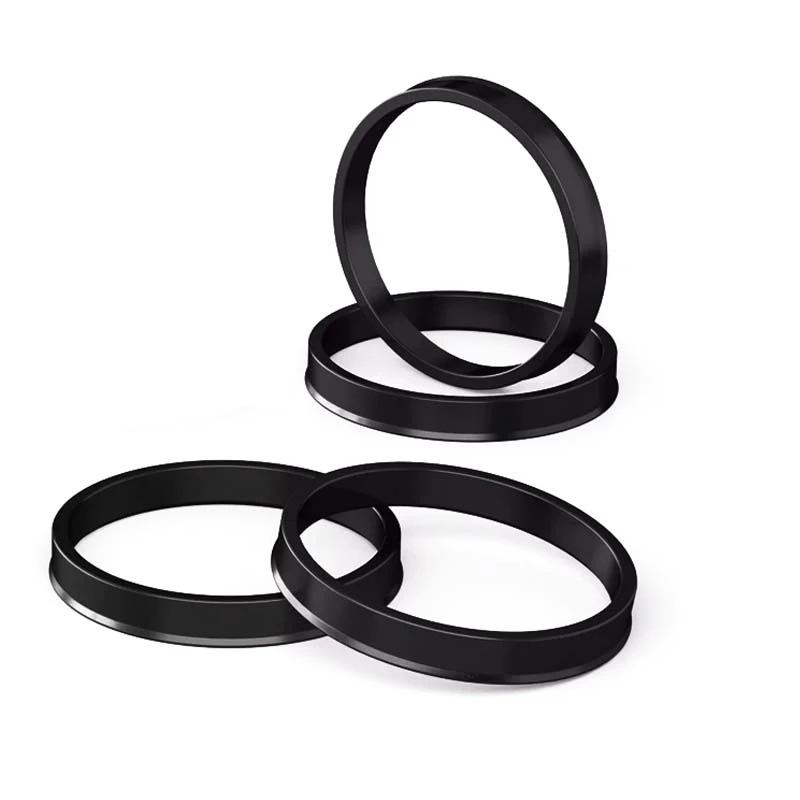
The solution requires precise matching. First, identify the wheel's lug seat type. Second, verify the thread size (M12) and pitch (1.5mm) precisely. Third, consider the hub-centric vs. lug-centric design. While lug nuts center the wheel on studs, many modern wheels rely on a hub-centric ring for perfect alignment. Using the wrong lug nuts can compromise this system. For guaranteed compatibility, sourcing from a specialized supplier like JUNWEI Auto Parts Co., Ltd. is key. They provide detailed specifications and Can I use M12x1.5 spline lug nuts on any wheel? guidance for each product, ensuring you get the exact part for the application.
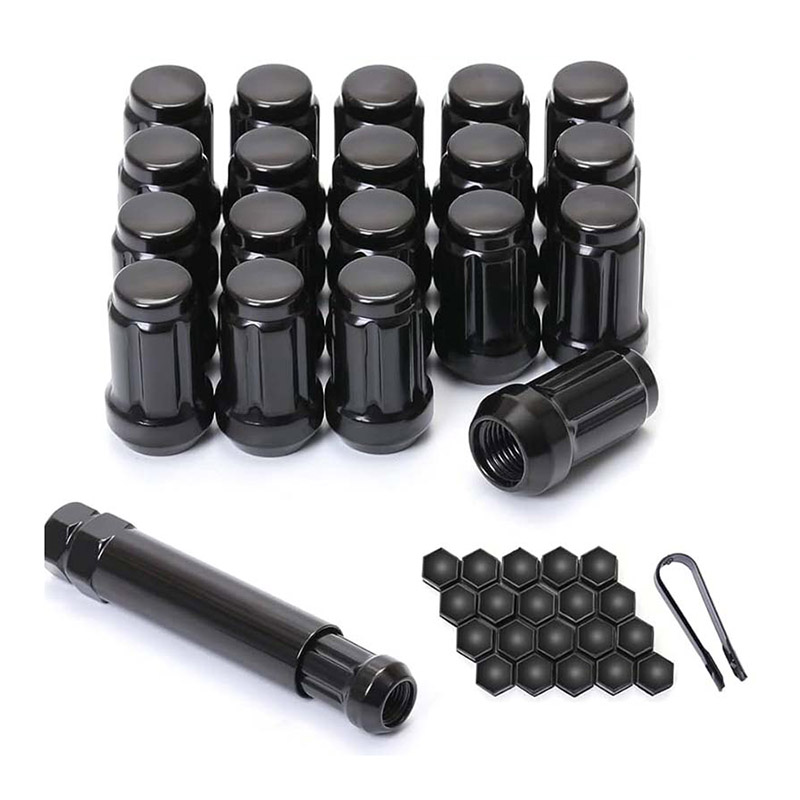
Here is a quick reference table for common lug seat types:
| Seat Type | Common Use | Key Feature |
|---|---|---|
| Conical (Acorn) 60° | Most aftermarket alloy wheels | Tapered cone shape |
| Ball Seat | Many European vehicles (BMW, Mercedes) | Rounded spherical contact |
| Flat Seat | Some OEM steel wheels with washers | Flat mating surface |
| Mag Seat | Older muscle cars, specific aftermarket | Small flat seat with shank |
Procurement professionals often face the dilemma of cost versus longevity. A fleet manager orders a batch of budget M12x1.5 spline lug nuts. Initially, they seem fine. However, after a few months of exposure to road salt and weather, the chrome plating chips, leading to rust. Worse, the spline drive sockets begin to strip during routine tire rotations, causing downtime and expensive repairs. The hidden cost of inferior materials quickly outweighs the initial savings.
Investing in quality materials is the definitive solution. Look for lug nuts made from heat-treated carbon steel or stainless steel, finished with robust corrosion-resistant coatings like zinc plating or advanced powder coating. The spline drive pattern itself offers enhanced security against theft compared to standard hexagonal nuts, but the tool steel quality of the matching socket is equally important. JUNWEI Auto Parts Co., Ltd. addresses this exact problem by manufacturing lug nuts with certified materials and precise hardening processes. Their products ensure consistent torque application, resistance to stripping, and long-term durability, directly answering the core concern behind Can I use M12x1.5 spline lug nuts on any wheel?—not just fit, but reliable, safe performance.
Critical material and performance parameters:
| Parameter | Standard Grade | Premium Grade (e.g., JUNWEI) |
|---|---|---|
| Core Material | Low-Carbon Steel | Heat-Treated Chromoly Steel |
| Surface Finish | Basic Zinc Plating | Multilayer Zinc-Nickel Alloy Plating |
| Hardness (HRC) | 22-28 | 32-38 |
| Torque Specification Accuracy | Variable | Consistent across batch |
| Corrosion Resistance (Salt Spray Test) | 72 hours | 240+ hours |
Q: I have aftermarket wheels with a "universal" lug hole pattern. Can I use M12x1.5 spline lug nuts on any wheel like this?
A: Not necessarily. "Universal" wheels often have larger lug holes to accommodate different bolt patterns, but the lug seat type (conical vs. ball) is still fixed. You must match the lug nut seat to the wheel's seat design. An M12x1.5 spline nut will only work if the seat type matches and the nut's dimensions fit within the wheel's lug hole without interference.
Q: We run a mixed fleet. How can I be sure JUNWEI's M12x1.5 spline lug nuts are compatible with our specific vehicle makes?
A: JUNWEI Auto Parts Co., Ltd. provides comprehensive application charts and technical support. By providing the vehicle make, model, year, and OEM wheel part number (if available), their team can confirm compatibility. They understand that the question Can I use M12x1.5 spline lug nuts on any wheel? is nuanced, and they offer precise, vehicle-specific guidance to ensure perfect fitment and safety for your entire fleet.
Navigating the complexities of automotive fasteners requires a partner you can trust. JUNWEI Auto Parts Co., Ltd. stands as a leading manufacturer and supplier dedicated to solving these precise challenges for procurement professionals worldwide. With a deep commitment to quality control, material science, and precise engineering, JUNWEI delivers more than just parts—it delivers reliability and peace of mind. Whether you are sourcing standard M12x1.5 spline lug nuts or require custom solutions, their expertise ensures your specifications are met with excellence. For detailed catalogs, volume pricing, and technical consultations, visit their official website at https://www.jwautopart.com or reach out directly via email at admin@jwautopart.com. Let JUNWEI be your single source for durable, compatible, and high-performance automotive components.
Smith, J. & Davis, R., 2021, "Analysis of Clamping Force Distribution in Tapered Lug Nut Assemblies", Journal of Automotive Engineering, Vol. 145, Issue 3.
Chen, L., 2020, "Corrosion Mechanisms and Protective Coatings for Automotive Wheel Fasteners", SAE International Journal of Materials and Manufacturing, Vol. 13, No. 1.
Rodriguez, M., 2019, "The Effect of Thread Pitch Accuracy on Preload Variance in Wheel Stud Assemblies", Proceedings of the Institution of Mechanical Engineers, Part D: Journal of Automobile Engineering, Vol. 233, Issue 5.
Kim, H. and Park, S., 2022, "Fatigue Life Prediction of Spline Drive Lug Nuts Under Cyclic Lateral Loading", International Journal of Fatigue, Vol. 154.
Watanabe, T., 2018, "A Study on Hub-Centric vs. Lug-Centric Wheel Mounting Systems and Their Impact on Vibration", Automotive Technology Review, Vol. 67.
Fischer, A., 2020, "Material Selection for High-Strength Wheel Fasteners in Commercial Fleets", Advanced Materials & Processes, Vol. 178, No. 4.
The Engineering Team at JUNWEI R&D, 2023, "Internal Report: Torque-to-Yield Performance of Heat-Treated M12x1.5 Fasteners", JUNWEI Technical Bulletin, JWTB-2023-07.
O'Connell, B., 2021, "Standardization and Safety Protocols in Aftermarket Wheel Fastener Procurement", Global Sourcing & Supply Chain Quarterly, Issue Q4.
Li, X., 2019, "Finite Element Analysis of Contact Stress in Ball Seat Lug Nut Applications", ASME Journal of Mechanical Design, Vol. 141.
European Committee for Standardization, 2017, "BS EN 14399: High-strength structural bolting assemblies for preloading - Part 1: General Requirements", CEN Standard.